
Have you ever turned on the faucet and suddenly heard banging, whistling, rattling, or humming coming from somewhere inside your walls? It can be pretty unsettling, especially when you have no idea where the noise is coming from. The good news is that strange pipe noises are fairly common. Sometimes they are caused by something simple, such as high water pressure or a loose pipe. Other times, the noise can point to a plumbing issue that needs attention. Understanding what your pipes are trying to tell you can help you figure out what is going on before a small problem turns into a costly repair.
Banging Pipes Could Mean Water Hammer
One of the most common causes of loud banging is something called water hammer. This happens when water moving through a pipe suddenly stops or changes direction. The force can cause the pipe to move or knock against nearby surfaces. You might notice this noise when quickly shutting off a faucet, flushing a toilet, or turning off an appliance that uses water. While an occasional bang may not be serious, repeated water hammer can put unnecessary stress on your plumbing system.
Whistling May Be Caused by Restricted Water Flow
If your pipes make a high-pitched whistling sound when you turn on the water, there may be a restriction somewhere in the plumbing system. A partially closed valve, mineral buildup, or a problem with a faucet fixture can narrow the path available for water. As water is forced through the smaller opening, it can create a whistling or squealing sound. Checking that your valves are fully open and inspecting the faucet aerator can sometimes help identify the source.
Rattling Pipes May Be Loose
A rattling or vibrating sound can happen when pipes are not properly secured. When water starts flowing, the pressure can make a loose pipe move around inside a wall, ceiling, cabinet, or floor. This is often more noticeable when you turn a faucet on or off. If you can access the plumbing without opening walls, look for pipes that appear loose or unsupported. Avoid making major changes yourself if the pipes are hidden, since accessing them may require professional plumbing work.
Humming Could Point to High Water Pressure
A humming sound coming from your plumbing can sometimes be related to water pressure. When pressure is higher than your plumbing system is designed to handle, water can move through fixtures and pipes with greater force. High pressure does not just create annoying sounds. Over time, excessive pressure may place additional stress on pipes, valves, faucets, and appliances. If your home consistently has noisy plumbing along with strong water flow, having the water pressure checked can be a sensible next step.
Knocking After You Turn Off the Faucet
Sometimes the noise does not happen while the water is running. Instead, you may hear a knocking sound shortly after turning off a faucet. This can also be related to water hammer or movement within the plumbing system. The sudden change in water flow can cause pipes to shift slightly, especially if they are not secured properly. If the knocking happens regularly, it is worth paying attention to when and where it occurs. That information can make it easier to identify the source of the problem.
Mineral Buildup Can Make Pipes Noisy
Minerals found naturally in water can gradually accumulate inside plumbing components and pipes. This buildup can restrict water flow and create unusual sounds as water passes through narrowed areas. Mineral deposits are particularly common in areas with hard water. You may also notice other signs, such as reduced water pressure, chalky deposits around faucets, or fixtures that are becoming harder to operate. Cleaning affected fixtures may help, but significant buildup inside the plumbing may require professional attention.
When Should You Call a Plumber?
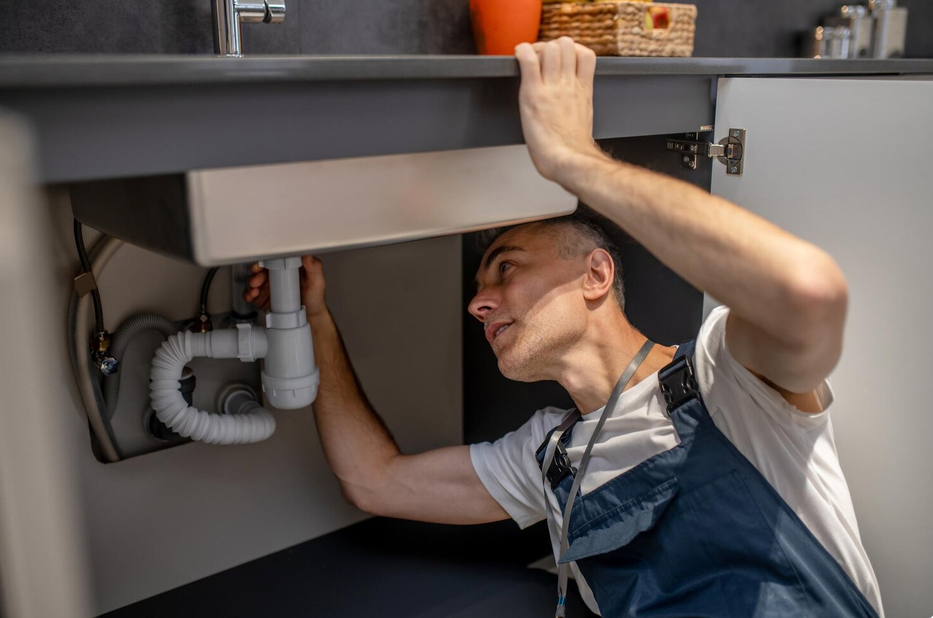
Not every strange pipe noise means you need an emergency plumber. However, persistent or increasingly loud noises should not be ignored. It is especially important to investigate the problem if the sounds are accompanied by leaks, reduced water pressure, discolored water, damp spots, or unexplained increases in your water bill. A professional plumber can inspect the plumbing system, check water pressure, locate loose pipes, and determine whether there is an underlying issue. Getting the problem checked early may help prevent more serious damage later.
How to Keep Your Plumbing Quieter
Regular plumbing maintenance can go a long way toward preventing unusual noises. Keep an eye out for dripping faucets, slow drains, leaks, and changes in water pressure. Make sure accessible shutoff valves are fully open when they should be, and avoid ignoring recurring sounds simply because the water still works. It is also helpful to learn where your home’s main water shutoff valve is located. Knowing how to turn off the water can be extremely useful if a serious leak or plumbing failure occurs.
Strange pipe noises can have several causes, from water hammer and loose pipes to high water pressure and mineral buildup. While some issues are relatively minor, persistent noises can be a warning that your plumbing system needs attention. Paying attention to when the sound occurs and what it sounds like can help you identify the likely cause and decide whether professional help is needed.